Restaurant Interior Design: A Practical Guide for First-Time Owners
Opening a restaurant is one of the most exciting — and expensive — decisions a founder can make, and the interior design of the space plays a bigger role in its success than most owners expect. Good restaurant interior design isn't just about how a dining room looks in photos; it directly affects table turnover, staff efficiency, and how comfortable guests feel staying for one course or three.
Why Layout Comes Before Aesthetics
Before choosing finishes or furniture, the most important design decision is layout. A well-planned floor plan balances seating capacity with comfortable spacing, keeps kitchen-to-table service lanes clear, and reduces the chance of servers and guests colliding during a busy service. Founders who start with mood boards before solving circulation and workflow often end up paying twice — once for the design, and again to fix problems once the doors open.
Modern Restaurant Interior Design Trends Worth Considering
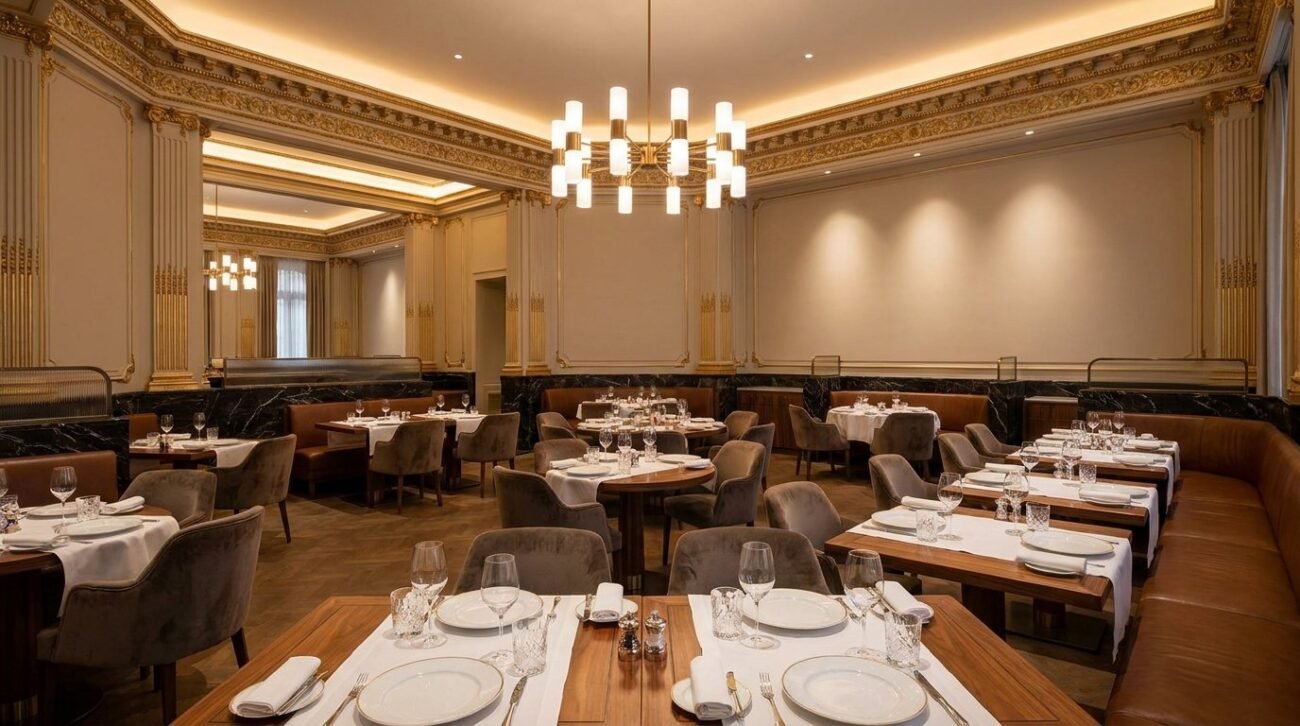
Modern restaurant interior design has shifted toward warmer, more tactile spaces: natural materials like wood and stone, layered lighting instead of a single overhead source, and flexible seating that can adjust from a quiet lunch service to a full evening crowd. Open kitchens and visible prep areas remain popular because they build trust with guests and add energy to the room, but they only work when the layout accounts for ventilation, noise, and staff movement.
Designing for Small Restaurants and Cafés
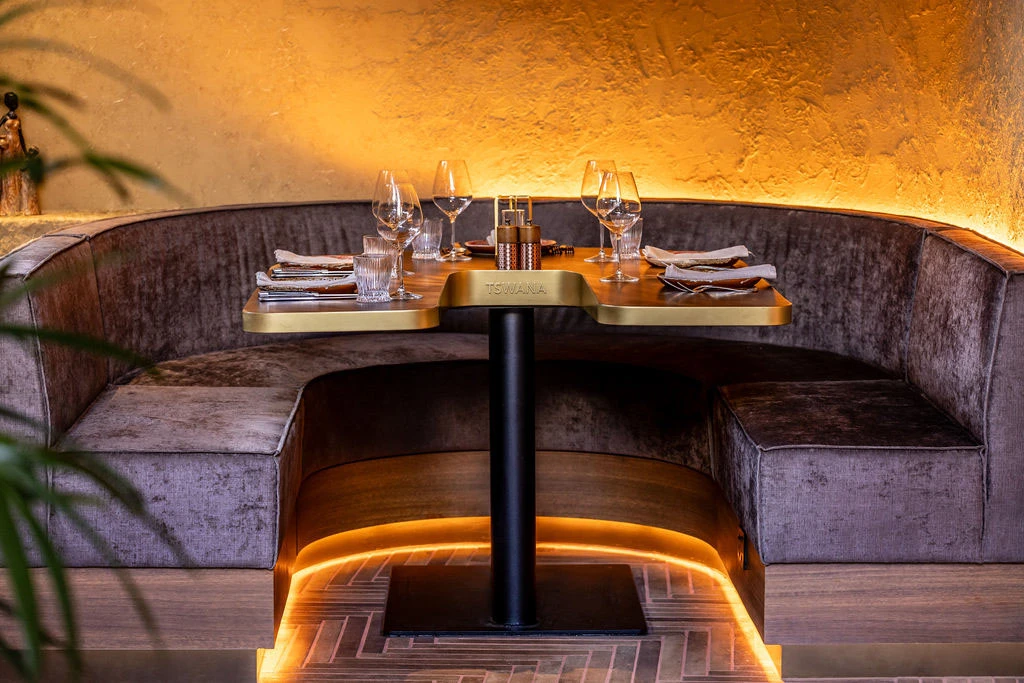
Small restaurant interior design comes with its own rules. Every square foot needs to earn its place, so banquette seating, built-in storage, and multi-purpose furniture tend to outperform standalone pieces. Sightlines matter more in tighter spaces too — a small room designed well can feel intimate rather than cramped, while a poorly planned one feels chaotic no matter how nice the finishes are.
Working with a Restaurant Interior Design Company
Many founders try to handle design themselves to save money, but a restaurant interior design company brings something harder to DIY: experience with what actually works in daily service. A good design partner should offer clear, fixed-scope pricing, realistic timelines, and layouts that a contractor can build from without guesswork — not just inspiration images.
Common Mistakes to Avoid
The most frequent mistakes we see are seating layouts that ignore server paths, statement lighting chosen before the electrical plan exists, and finishes selected for photos rather than durability under daily restaurant use. Solving these early, on paper, is far cheaper than solving them mid-renovation.
Restaurant interior design works best when form and function are solved together from day one. If you're planning a new restaurant, café, or bar and want a clear, fixed-scope layout before committing to construction, that's exactly what we help founders do.